
When patients are diagnosed with cataracts, one of the first questions is often: "Which type of surgery is best for me?" Two safe, well-established approaches are available — traditional phacoemulsification and femtosecond laser-assisted cataract surgery (FLACS). Neither is universally "better"; the right choice depends on your eye's anatomy, your cataract's characteristics, and your visual goals.
Traditional Phacoemulsification
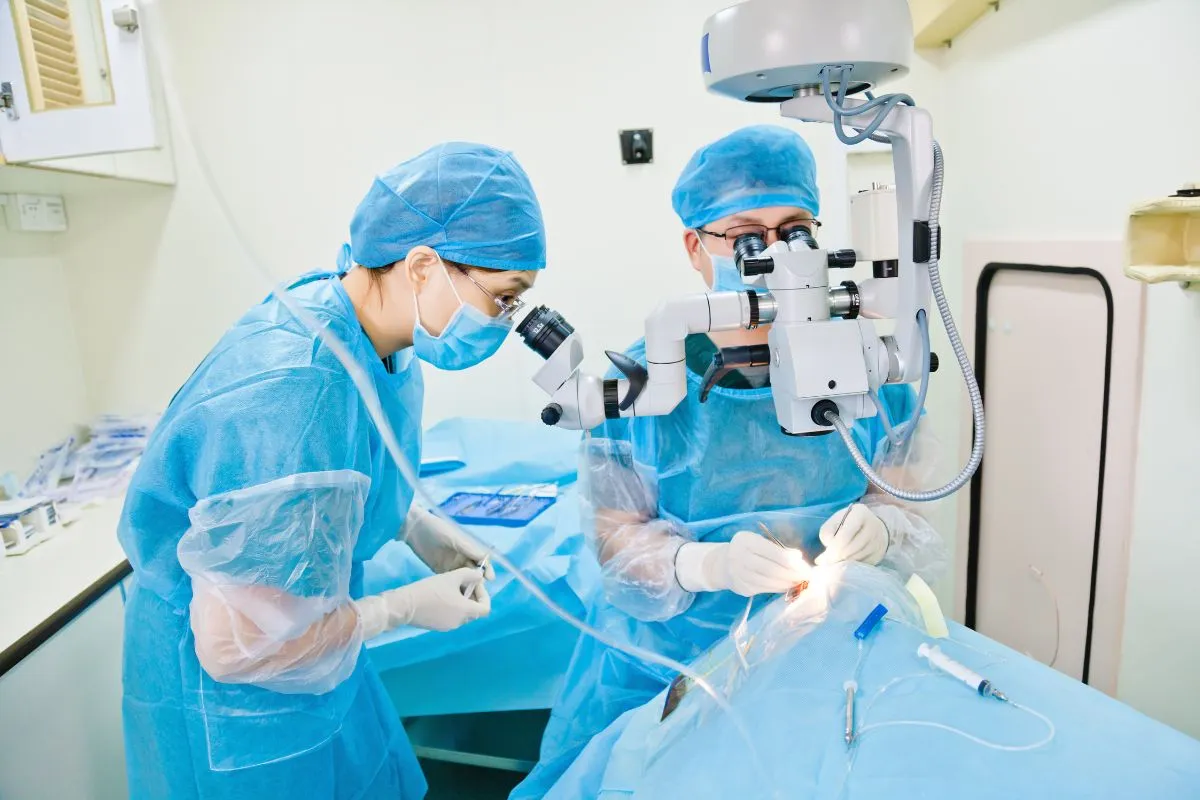
Traditional cataract surgery has been refined over decades and remains the most commonly performed approach worldwide. The surgeon creates a small incision by hand, then uses an ultrasound probe to break the cloudy lens into small fragments, which are gently removed before the artificial lens is inserted.
This technique is fast, predictable, and highly effective for the vast majority of cataracts, including straightforward, uncomplicated cases.
Femtosecond Laser-Assisted Cataract Surgery (FLACS)
FLACS uses a computer-guided laser to perform several key steps of the procedure — including the corneal incisions, the opening in the lens capsule, and initial softening of the cataract — before the remaining lens material is removed. Because the laser is guided by detailed imaging of your eye, it can offer additional precision, particularly useful for:
- Correcting astigmatism with precisely placed incisions
- Dense or firmer cataracts that benefit from laser pre-softening
- Cases where exact lens centration is especially important, such as with certain premium IOLs
How the Recovery Compares
Both approaches are outpatient procedures with similar overall recovery timelines — most patients notice improved vision within days, with continued healing over several weeks. Neither technique is inherently "faster to heal from" in a way that applies to every patient; individual healing depends more on your eye's health and how your body responds than on which technique was used.
Which Option Is Right for You?
During your consultation, Dr. Ma will evaluate your cataract's density, your corneal shape, your astigmatism (if any), and your lens preferences before recommending an approach. Both techniques are considered safe and effective; the conversation is about which one best fits your specific eyes.
Curious which approach is right for your eyes? Schedule a consultation with Dr. Ma or call (929) 487-7984.
Related Reading
For a full overview of the cataract surgery process, see our complete cataract surgery guide, or learn more about IOL lens options on our Cataract Surgery page.