
If your vision has become blurry, glare from headlights feels overwhelming at night, or colors seem duller than they used to, a cataract could be the cause. For patients in Flushing and the surrounding Queens community, cataract surgery is one of the most common — and most effective — procedures in ophthalmology. This guide walks through the entire process, from recognizing symptoms to life after surgery.
What Is a Cataract?
The eye's natural lens sits behind the iris and normally stays clear, focusing light onto the retina. A cataract develops when proteins in the lens begin to clump together, clouding the lens and scattering light rather than focusing it. This most commonly happens gradually with age, though certain medications, injuries, and health conditions can accelerate the process.
Recognizing the Symptoms
Because cataracts progress slowly, many people don't notice the change until it starts affecting daily activities. Common signs include:
- Blurred, cloudy, or dim vision
- Increased sensitivity to glare, especially from headlights at night
- Halos appearing around lights
- Colors that look faded or slightly yellowed
- Frequent changes in glasses or contact lens prescription
Getting an Accurate Diagnosis
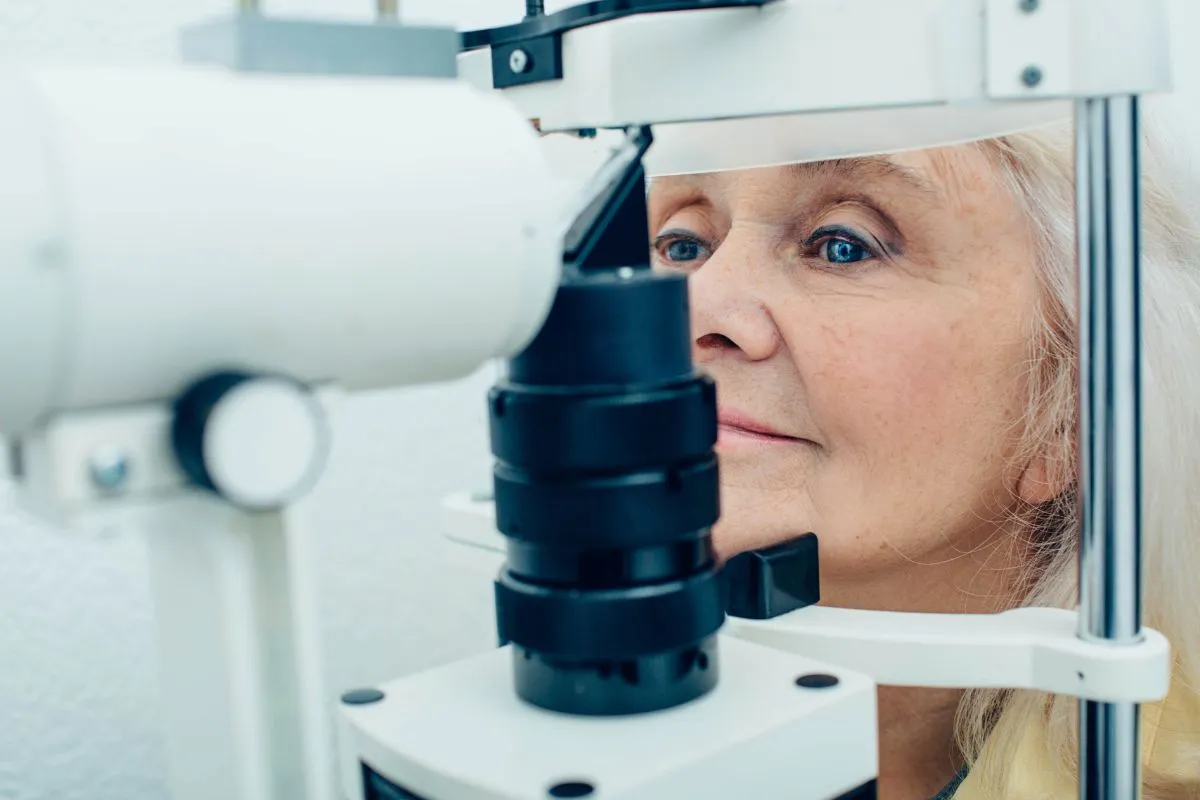
A comprehensive eye exam is the first step. During your visit, Dr. Ma will evaluate your vision, examine the lens with a slit lamp, and discuss how your symptoms are affecting your daily life. If a cataract is confirmed and is impacting your quality of life, surgery will be discussed as an option — not before it's actually needed.
Good to know: Cataracts don't need to be removed simply because they exist. Surgery is generally recommended once they begin to interfere with reading, driving, work, or other daily activities.
How Cataract Surgery Works
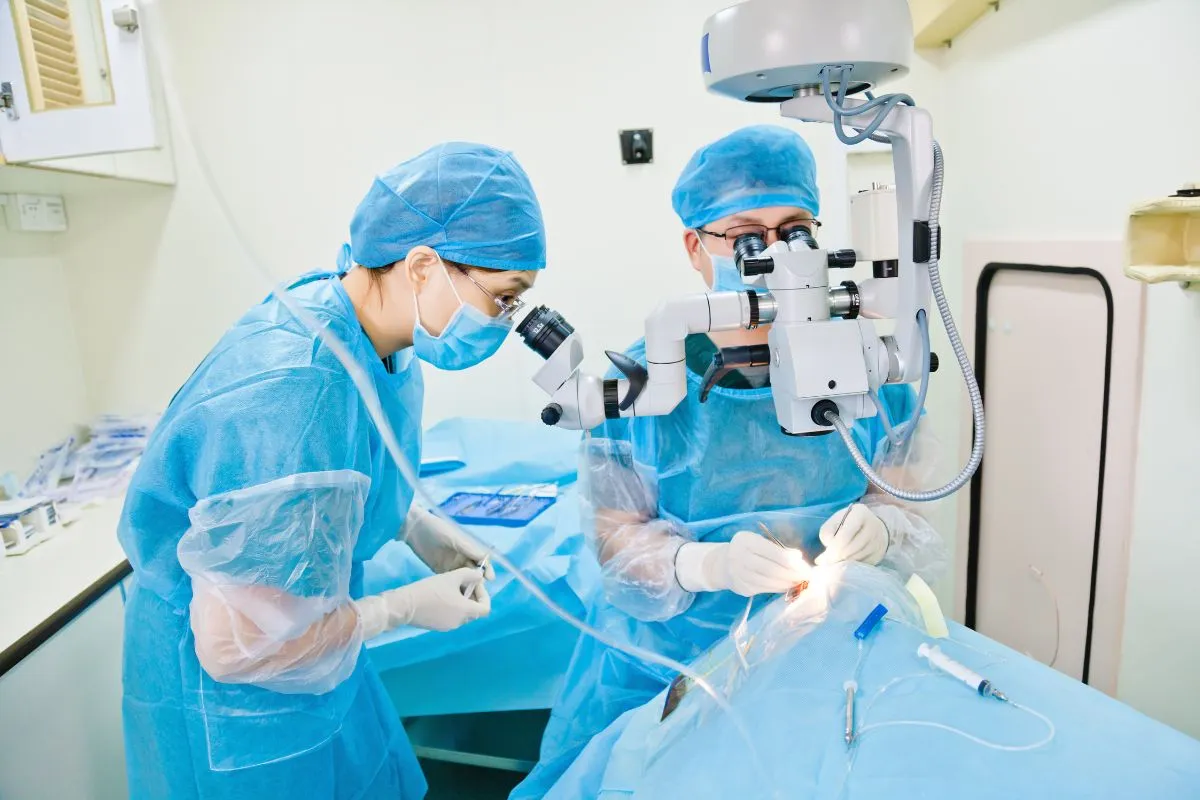
Cataract surgery is an outpatient procedure that typically takes 15 to 20 minutes per eye. The clouded natural lens is removed and replaced with a clear, artificial intraocular lens (IOL). Most patients receive numbing eye drops or local anesthesia rather than general anesthesia, and go home the same day.
Two techniques are commonly used: traditional phacoemulsification, which uses ultrasound energy to break up the cataract, and femtosecond laser-assisted cataract surgery (FLACS), which uses a laser to perform key steps with additional precision. You can read more about how these two approaches compare in our FLACS vs. traditional surgery guide.
Choosing Your Lens (IOL)
Part of your pre-surgery consultation involves selecting the intraocular lens that best matches your lifestyle — whether that's a standard monofocal lens, a toric lens to correct astigmatism, or a multifocal/extended depth-of-focus lens designed to reduce dependence on glasses. Learn more on our cataract surgery page.
Recovery Timeline
Most patients notice improved vision within a few days, with continued healing over the following weeks. You'll be given prescription eye drops and specific guidance on activity restrictions during recovery. For a detailed breakdown of what to expect, see our recovery and aftercare guide.
What Cataract Surgery Costs
Medically necessary cataract surgery is often covered by Medicare and many private insurance plans, though your out-of-pocket cost can vary depending on the lens you choose. We break this down in our cataract surgery cost guide.
Why Choose a Flushing-Based Ophthalmologist
Dr. Laiyin Ma founded Envision Eye Group to bring fellowship-trained, corneal and cataract subspecialty care directly to the Flushing community — including in-language care for English, Mandarin, and Spanish-speaking patients. You can read more about her training and background on our About Dr. Ma page.
Ready to find out if cataract surgery is right for you? Book a consultation or call (929) 487-7984 to get started.