

Our Specialty
Cataract Surgery in Flushing, NY
Advanced, personalized cataract care from Dr. Laiyin Ma — from your first exam through full visual recovery.
Understanding Cataracts
What Is a Cataract?
A cataract occurs when the eye's natural lens — normally clear — becomes cloudy over time. Light can no longer pass through easily, leading to blurred or dimmed vision. Cataracts most often develop gradually with age, though they can also be related to injury, certain medications, or medical conditions.
Because the change happens slowly, many patients don't realize how much their vision has declined until it begins to interfere with reading, driving, or recognizing faces.
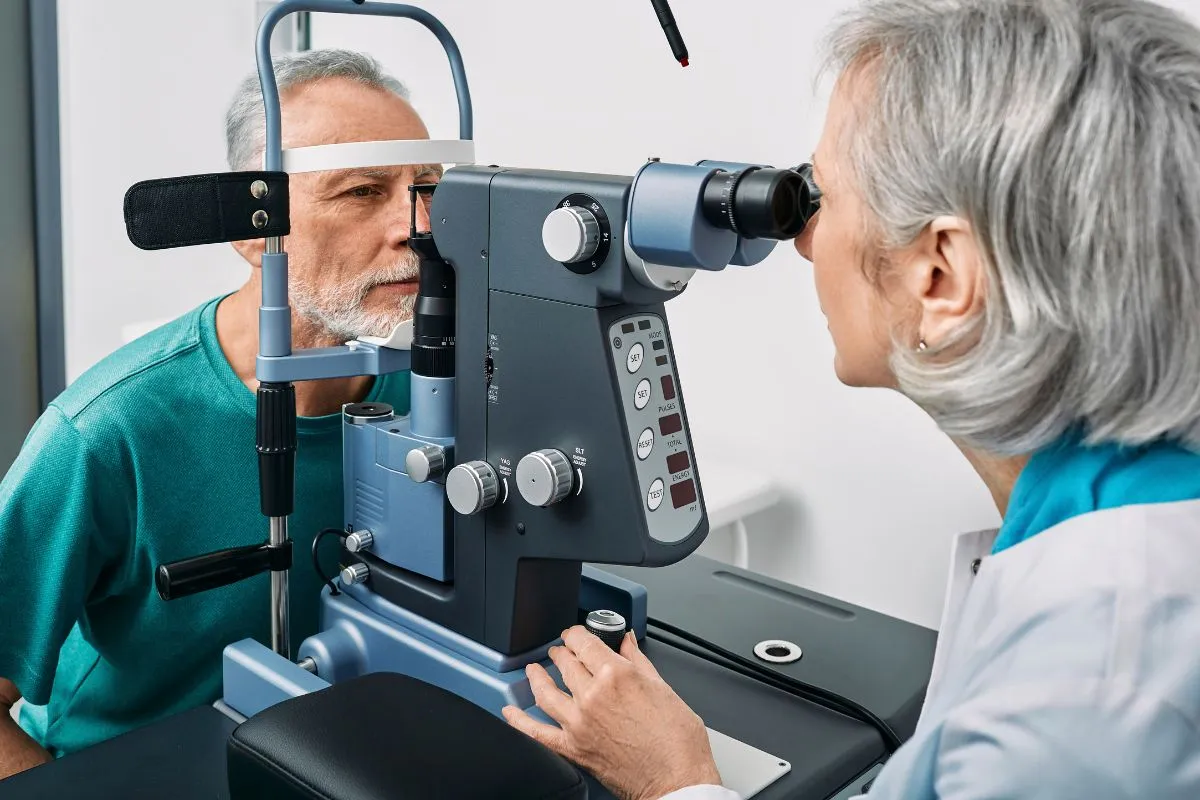
Recognizing the Signs
Common Cataract Symptoms
Blurred or Cloudy Vision
Objects appear hazy, as if looking through a fogged window.
Glare & Halos
Increased sensitivity to headlights, lamps, and sunlight, especially at night.
Fading Colors
Colors may look duller or take on a slightly yellow or brown tint.
Frequent Prescription Changes
Glasses or contact prescriptions that need updating more often than before.
Surgical Techniques
FLACS vs. Traditional Cataract Surgery
Both approaches safely remove the clouded lens and replace it with a clear intraocular lens (IOL). The right technique depends on your eye's anatomy and your surgeon's recommendation.
Femtosecond Laser-Assisted (FLACS)
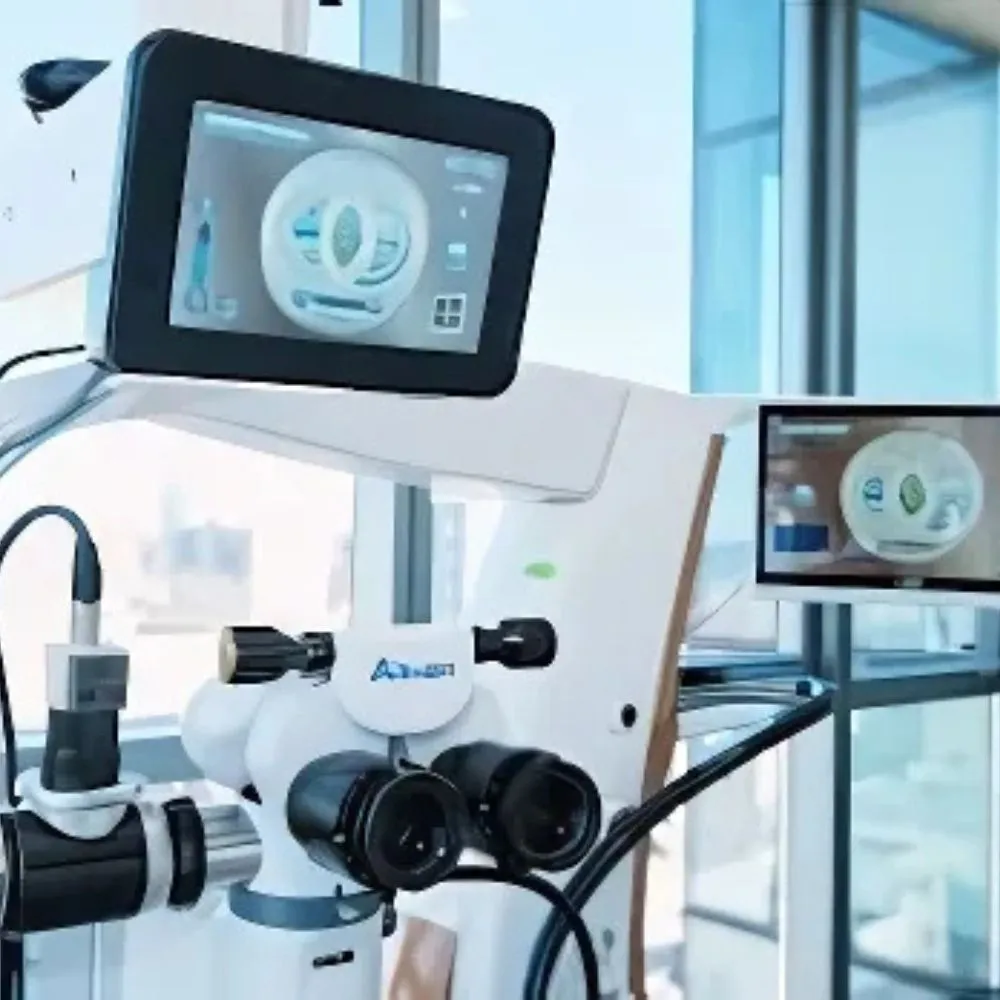
A laser creates precise, computer-guided incisions and softens the cataract before removal, which can improve accuracy for astigmatism correction and complex cases.
Traditional Phacoemulsification
A time-tested, highly effective technique using ultrasound energy to break up and remove the cataract through a small, self-sealing incision.
Lens Options
Choosing the Right Intraocular Lens (IOL)
During cataract surgery, your eye's clouded natural lens is replaced with an artificial intraocular lens. Dr. Ma will help you choose the option that best matches your vision goals and lifestyle.
- Standard Monofocal IOL — clear vision at one primary distance
- Toric IOL — corrects astigmatism along with the cataract
- Multifocal / Extended Depth-of-Focus IOL — reduced dependence on glasses at multiple distances
Complex Cases
Complex Cataract Surgery & Secondary IOL Implantation
Some cataracts require additional expertise — including dense or advanced cataracts, eyes with prior surgery, or cases with weak or damaged support structures. Dr. Ma's fellowship training in cornea and anterior segment surgery allows her to manage these more complex situations.
For patients who need a lens adjustment or replacement after a previous cataract surgery, secondary IOL implantation can help fine-tune your visual outcome.
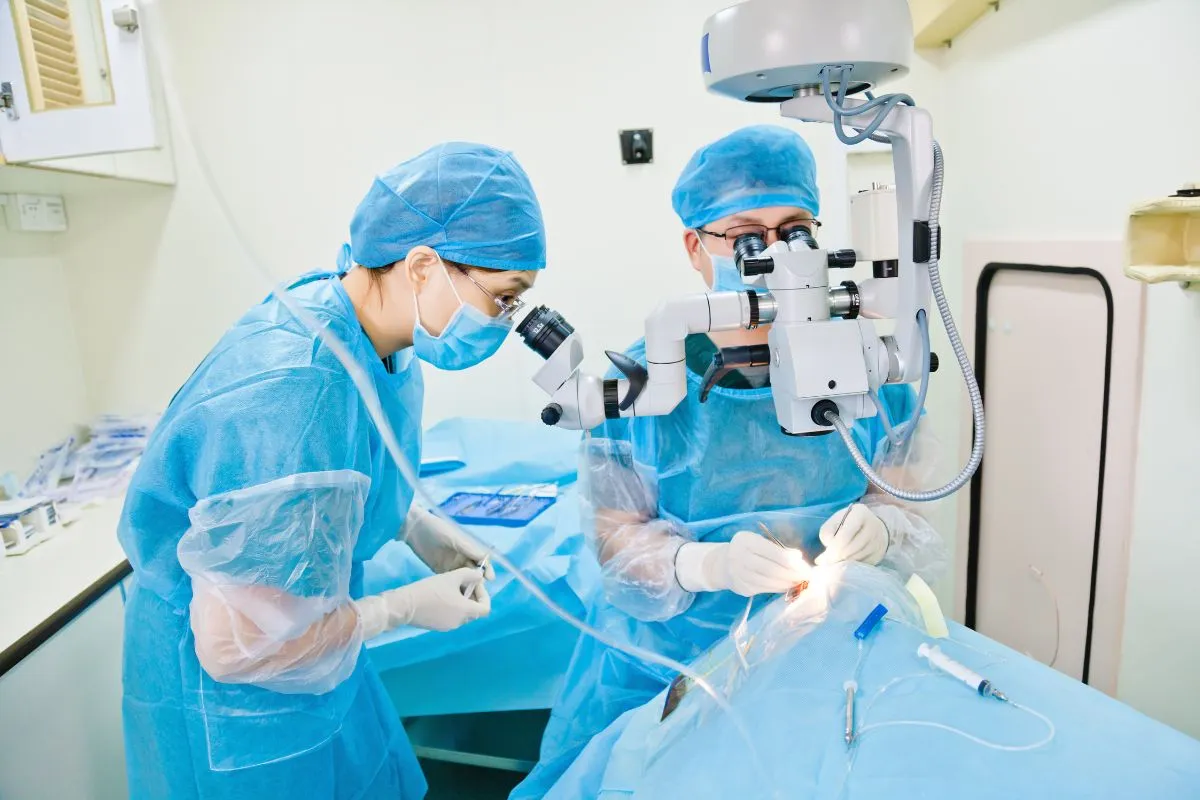
The Day of Surgery
What to Expect
Arrival & Preparation
Numbing drops are applied and the treatment area is prepared. Most patients remain awake and comfortable.
15–20 Minute Procedure
The clouded lens is removed and replaced with your selected IOL through a small, self-sealing incision.
Same-Day Discharge
Cataract surgery is an outpatient procedure — you'll go home the same day with aftercare instructions.
Follow-Up Visit
A check-up shortly after surgery confirms healing is on track and vision is improving.
Recovery
Recovery & Aftercare
Most patients notice clearer vision within a few days of surgery, with continued improvement over the following weeks as the eye fully heals. Dr. Ma will provide prescription eye drops to prevent infection and inflammation, along with specific guidance on activity restrictions during the initial healing period.
Attending all scheduled follow-up visits allows any concerns to be caught early and confirms your vision is progressing as expected. Every recovery timeline is individual — your care team will let you know what's normal for your specific case.
Cataract Surgery FAQ
Your Questions, Answered
Most patients with cataracts affecting daily vision are candidates. A comprehensive eye exam with Dr. Ma will confirm whether surgery is appropriate for your specific eyes and health history.
It depends on the IOL you choose. Standard monofocal lenses typically still require glasses for some distances, while premium multifocal or EDOF lenses can reduce — though not always eliminate — dependence on glasses.
Cataract surgery is generally performed on one eye at a time, with the second eye typically scheduled a short time later once the first eye has begun healing.